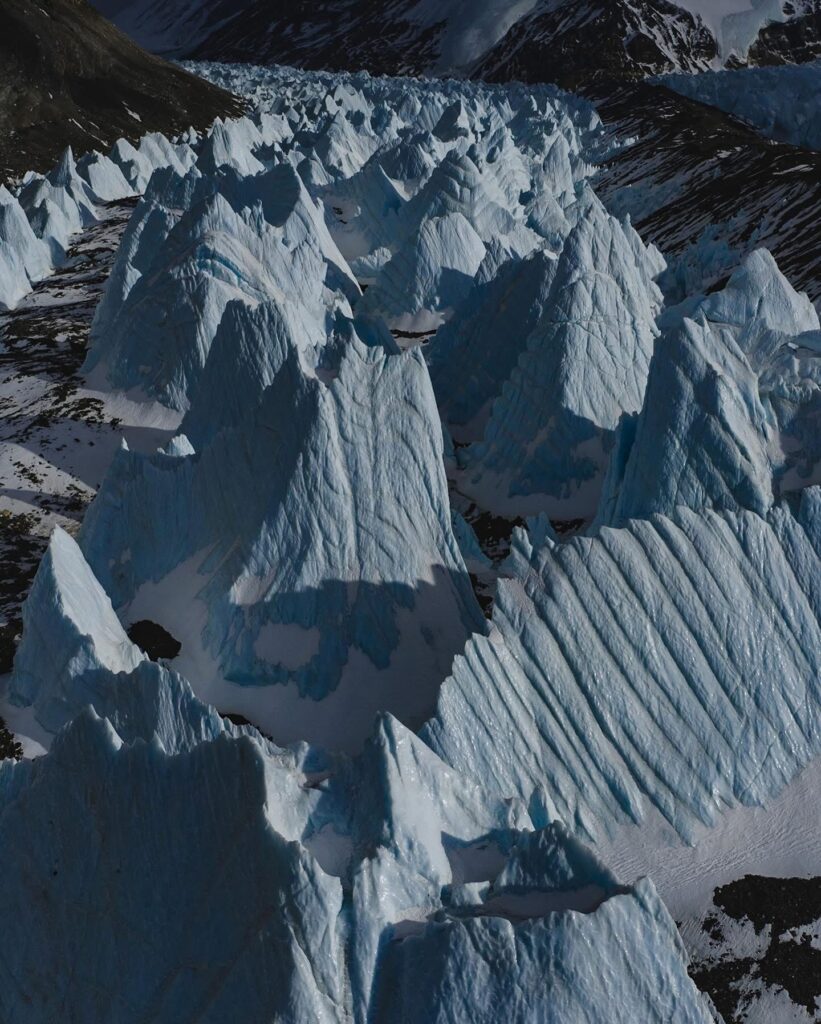
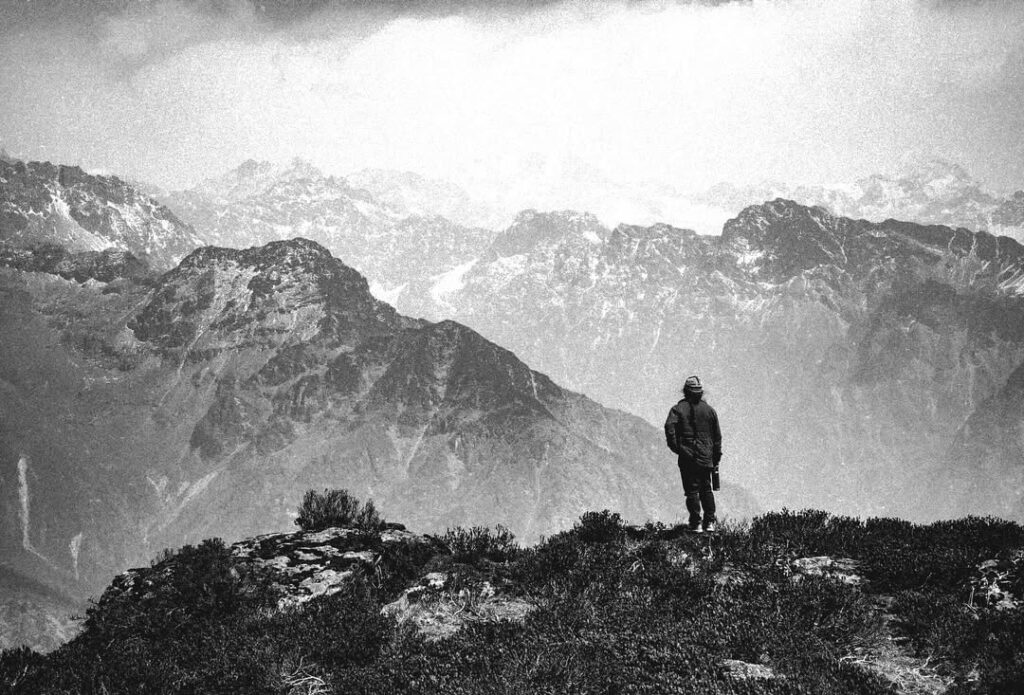
The Himalayas are often called the “Water Towers of Asia,” and for good reason. The glaciers and snowfields of this mountain range feed some of the largest river systems on Earth, providing freshwater to nearly two billion people. These rivers support agriculture, ecosystems, economies, and daily life across Nepal, India, Bangladesh, and beyond.
Today, this system is under threat.
Climate change is causing Himalayan glaciers to retreat at an alarming rate. Rising temperatures are melting ice faster than it can be replenished. Snowlines are moving higher, and seasonal patterns that communities once depended on are becoming unpredictable. These changes are not distant or theoretical—they are already affecting real people and landscapes.
In Nepal, warmer temperatures and unstable weather are increasing the frequency of floods, landslides, and glacial lake outburst floods. Rivers that once flowed predictably are now rising suddenly and violently, threatening villages, infrastructure, and livelihoods.
What happens in the mountains does not stay in the mountains. When glaciers shrink, rivers lose their long-term stability. This affects drinking water, farming, energy production, and ecosystems all the way downstream to the sea.